
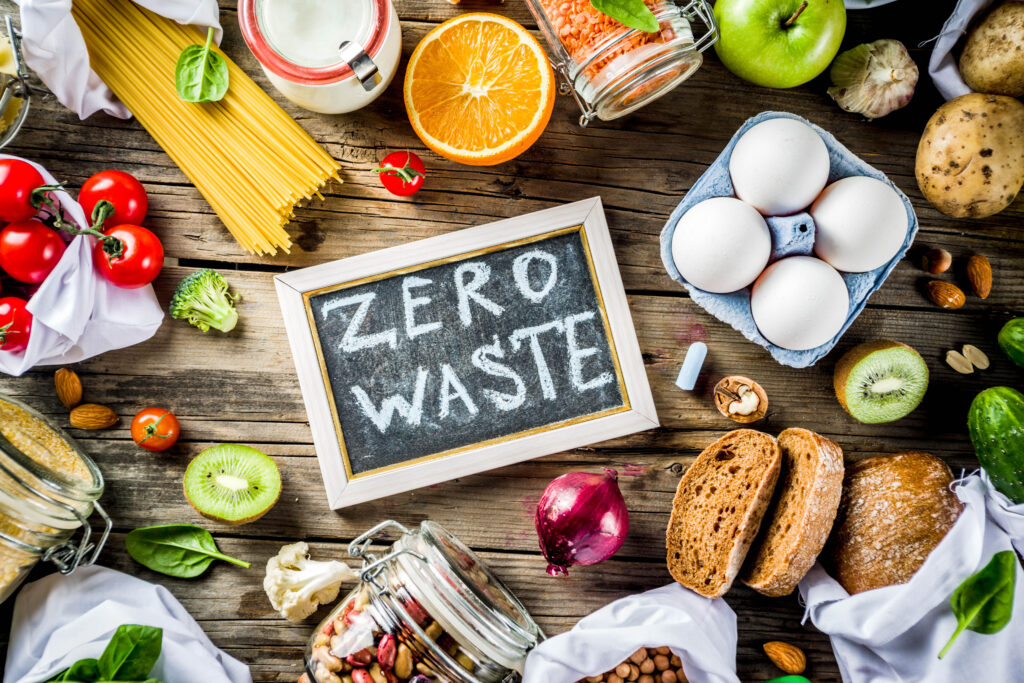
Earth Day is a reminder that living greener doesn’t require a full lifestyle overhaul. It’s really about small, consistent choices—how you shop, what you use, how you move through your day, and yes, how you eat. This week is about simple shifts that reduce waste, cut excess, and make everyday living feel more intentional.
Use what you already have before buying anything new
One of the most sustainable habits is also the simplest: buy less and use more of what you already own.
In your kitchen and home:
- Build meals around ingredients already in your fridge and pantry
- Finish half-used items before opening new ones
- Repurpose leftovers instead of tossing them
At home:
- Use what you already have before replacing or upgrading items
- Repair small things instead of immediately buying new
- Donate unused items instead of throwing them away
Living greener often starts with slowing down consumption.
Make everyday habits less wasteful
You don’t need to change your whole routine—just adjust a few default behaviors.
Easy swaps:
- Reusable water bottle instead of bottled drinks
- Coffee at home instead of disposable cups
- Reusable grocery bags kept in your car or near the door
- Cloth towels or napkins instead of paper when convenient
These small shifts reduce a surprising amount of daily waste over time.
Eat in a more flexible, low-waste way
Food is still part of it, but the focus is simplicity and flexibility, not restriction.
This week, lean into meals like:
- Stir-fries with leftover vegetables and grains
- Grain bowls built from whatever protein or veggies you have
- Soups or brothy meals that use up produce
- Wraps or salads that don’t require strict recipes
The goal is to use what you have and avoid unnecessary food waste.
Be more intentional with how you consume
Living greener also means slowing down what you bring into your life.
Try:
- Waiting before making non-essential purchases
- Asking if you already own something before buying a new version
- Choosing quality items that last longer instead of quick replacements
- Avoiding impulse buys that don’t have a real purpose
Less consumption often leads to less clutter and less waste.
Move through your day more consciously
Small daily habits add up more than one-time changes.
This week:
- Walk or combine errands when possible instead of extra trips
- Spend time outside instead of defaulting to driving or shopping
- Turn off lights and unplug devices when not in use
- Use natural light during the day when available
These are simple adjustments that don’t disrupt your routine.
Keep meals simple, not perfect
Food doesn’t need to be complicated to support a greener lifestyle. The easiest wins come from using what you already have and avoiding over-prep or overbuying.
Think:
- Stir fries
- Soups
- Grain bowls
- Simple wraps and salads
- Leftover-based meals
Nothing fancy—just intentional.
Living greener works best when it blends into your existing routine instead of feeling like a challenge. Even a few small changes this week—what you reuse, what you avoid buying, and how you move through your day—can reduce waste and create a more grounded, intentional lifestyle.